
Family history is a recognised risk factor for developing glaucoma, and may reflect an inherited susceptibility to the condition. However, it is not the only thing that can influence a person’s risk.
How significant is this association when compared with factors such as age, eye pressure and eye anatomy? Understanding what glaucoma is and how it can affect vision can help you recognise why these factors matter and help you determine whether you should seek out an assessment from an eye care professional.
What Is Glaucoma?
Glaucoma refers to a group of eye conditions that can damage the optic nerve, which carries visual information from the eye to the brain. This damage can lead to gradual and irreversible vision loss if the condition progresses.
There are several types of glaucoma, including open-angle and closed-angle glaucoma. While increased pressure inside the eye is an important risk factor, glaucoma can also occur when eye pressure is within a range generally considered normal.
Some forms of glaucoma may not cause noticeable symptoms in their early stages. This makes it important to understand your individual risk factors and seek out appropriate eye examinations, so a doctor can detect changes that may otherwise go unnoticed.
How Does Family History Affect Glaucoma Risk?
Having a close relative with glaucoma can increase your risk of developing the condition. This is particularly relevant when a parent or sibling has glaucoma, as shared genetic factors may contribute to susceptibility.
However, family history is only one part of a glaucoma risk assessment. Someone without a known family history may still develop glaucoma, while having relatives with the condition does not mean that you will necessarily develop it. Doctors therefore consider family history alongside other clinical and individual risk factors.
What Other Factors Can Increase Your Risk of Glaucoma?
Glaucoma risk is influenced by several factors, but they do not carry the same significance for every type of the condition. Some are more closely associated with primary open-angle glaucoma, while others increase susceptibility to angle closure or contribute to secondary glaucoma.
Age
The likelihood of developing glaucoma generally increases with age. In Singapore, glaucoma affects about 3% of people aged over 40, with prevalence rising among older age groups.
Increasing age is relevant to both primary open-angle and closed-angle glaucoma. Open-angle glaucoma becomes more common over time, while age-related changes to the structures at the front of the eye can narrow the drainage angle and increase susceptibility to angle closure.
Intraocular Pressure
Elevated intraocular pressure (IOP), or pressure inside the eye, is an established and modifiable risk factor for primary open-angle glaucoma. It can place strain on the optic nerve and increase the likelihood of damage over time.
Some people with elevated IOP do not develop glaucoma, while others develop glaucomatous optic nerve damage despite having eye pressure within a range generally considered normal. The latter is known as normal-tension glaucoma.
Eye Anatomy and Myopia
Certain characteristics of your eyes may also influence glaucoma risk. Myopia, or short-sightedness, is associated with an increased risk of primary open-angle glaucoma, while factors such as corneal thickness and the appearance of the optic nerve can influence the interpretation of eye-pressure readings and the assessment of open-angle glaucoma risk.
For closed-angle glaucoma, the structure of the front of the eye is more important. A shallow anterior chamber or narrow drainage angle can make it easier for the drainage pathway to become blocked.
Certain Health Conditions and Eye History
Some health conditions can contribute to secondary forms of glaucoma rather than primary open-angle or closed-angle glaucoma. Diabetes, for example, can contribute to neovascular glaucoma when advanced retinal blood vessel damage leads to abnormal new vessels that obstruct fluid drainage.
Previous eye injuries can damage the drainage structures and lead to traumatic or angle-recession glaucoma, sometimes after the original injury has healed. Long-term corticosteroid use can also raise eye pressure in some people and lead to steroid-induced glaucoma.
When Should You Have Your Glaucoma Risk Assessed?
A glaucoma risk assessment may be particularly relevant if you:
- Are older, as the likelihood of developing glaucoma rises with age
- Have a parent, sibling or another close relative with glaucoma
- Have previously been found to have elevated eye pressure
- Have high myopia or anatomical features such as narrow drainage angles
- Have experienced a previous eye injury
- Use corticosteroids over a prolonged period
Glaucoma is often detected before symptoms appear. When changes do develop, they may include:
- Gradual loss of side or peripheral vision
- New blind spots or difficulty seeing objects to the side
- Blurred vision
- Halos or rainbow-coloured circles around lights
- Eye pain or redness
- Headache, nausea or vomiting accompanying sudden eye symptoms
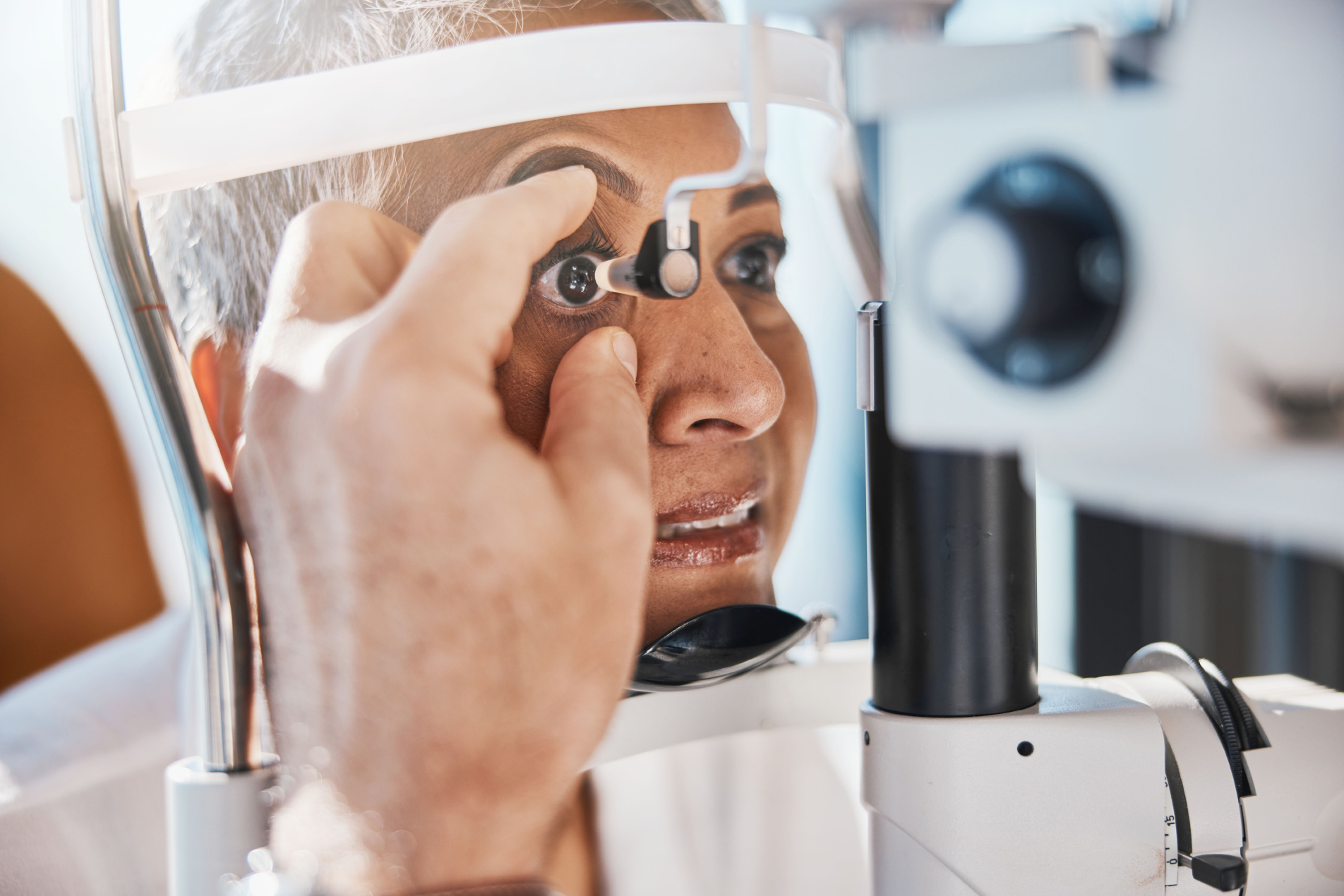
An ophthalmologist can consider how these factors apply together, examine the structures of your eyes and advise whether further testing or regular monitoring is appropriate.

Assess Your Glaucoma Risk With Eye & Glaucoma Surgeons
Learning that you have one or more glaucoma risk factors can raise questions about your eye health and whether further monitoring may be appropriate. Discussing these factors with an ophthalmologist can help you better understand your individual risk.
At Eye & Glaucoma Surgeons, glaucoma care is led by Ophthalmologist Dr Daniel Su Hsien Wen. Drawing on his clinical experience and involvement in ophthalmology research and clinical trials, Dr Su takes a structured, evidence-informed and patient-centred approach to care. He considers each patient’s overall clinical picture and explains the significance of their findings clearly, helping them understand their risk and feel supported in deciding on their next steps.
If you have concerns about your glaucoma risk, book an appointment with us for an assessment.